Dream Word Machine Embroidery Review for Business Use
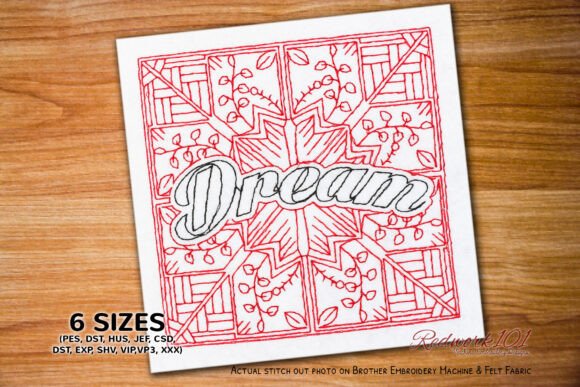
As an experienced embroidery designer who has spent years refining designs for small business merchandise and branded patches, I approach every new digital file with a critical eye. Today, I am reviewing the Dream Word Machine Embroidery design. The product description highlights it as a stylish dream design featuring leaves and fruits, described as a dreamy mandala with the word Dream. It is categorized under Inspirational themes. But does this design truly translate from a digital preview to a high-quality finished product that builds brand trust? Let us dive into a professional review focused on commercial application.
First Impressions: Visual Personality and Brand Fit
The initial aesthetic of Dream Word Machine Embroidery suggests a blend of organic elegance and modern inspiration. When you look at the description mentioning "leaves and fruits" within a mandala structure, the design immediately signals a connection to nature, growth, and creativity. This visual personality makes it particularly suitable for brands in the wellness, boutique, bakery, or handmade sectors. Unlike stark geometric logos, this design offers warmth and a "handmade" feel that customers today actively seek.
For a small café or a florist, this design acts as more than just decoration; it sets a tone. It feels friendly yet professional, avoiding the overly corporate look while maintaining enough structure to be legible. The inclusion of the word "Dream" anchors the piece, ensuring the message is clear even when embroidered on textured fabrics like canvas or denim. However, the decorative elements require careful consideration regarding scale. A design that looks balanced on a screen can become cluttered if not scaled correctly on a physical item.
Real-World Application: From File to Finished Product
When evaluating Dream Word Machine Embroidery for actual production, we must consider how it performs across various mediums. For embroidered patches, this design shines. The mandala style provides a contained border that works well for iron-on or sew-on patches used on tote bags, aprons, or the back of caps. The leaves and fruits add depth without requiring excessive stitching density that might cause fabric puckering.
In the realm of custom apparel, specifically staff uniforms for creative studios or boutiques, placing this design on a chest logo accent or a sleeve detail can elevate the perceived value of the garment. Imagine a barista wearing an apron with this subtle yet inspiring motif; it communicates care and artistry to the customer. Similarly, for Etsy sellers and craft business assets, using this design on product packaging accents or customer gift tags creates a cohesive unboxing experience.
The versatility extends to cap embroidery and work shirts. The organic flow of the leaves allows the design to curve naturally around the shape of a hat, making it an excellent choice for cap embroidery projects. For event merch, where speed and consistency are key, this design offers a strong visual identity that stands out in a crowd. Whether used for a workshop t-shirt or a limited-run tote bag design, the Dream Word Machine Embroidery file serves as a robust design asset for commercial embroidery projects.
Strategic Considerations and Potential Pitfalls
While the design is promising, there are specific scenarios where caution is required. Small patch sizes present a significant challenge. If the design is reduced too much, the intricate details of the leaves and fruits may merge, losing definition. In such cases, the text "Dream" might become difficult to read, which defeats the purpose of branding. Therefore, testing the design at its intended final size is non-negotiable.
Curved surfaces, such as the front of a baseball cap, demand attention to stitch direction. Complex curves in the mandala can sometimes lead to thread breaks or uneven tension if the digitization is not optimized for the curvature. Additionally, high stitch density is a concern. If the original file packs too many stitches into the fruit or leaf areas, it will create a stiff, uncomfortable texture on lightweight fabrics. This is particularly problematic for items that need frequent washing, such as aprons or work shirts, where stiffness can lead to cracking or peeling over time.
Dark uniforms also pose a challenge. The description implies a light, airy theme. On dark fabrics, the contrast provided by standard thread colors might be insufficient unless a specific underlay or bright thread palette is selected. Detailed outlines can get lost on textured fabrics like heavy denim or fleece. Before committing to a large run, designers must inspect spacing and confirm that the design remains legible against the specific fabric texture they intend to use.
Impact on Brand Identity and Customer Trust
A well-executed embroidery design does more than decorate; it reinforces brand identity. Using Dream Word Machine Embroidery consistently across your product line—from tote bags to staff uniforms—creates visual consistency that customers subconsciously recognize. This repetition builds trust. When a customer sees a high-quality, crisp embroidery on a branded patch, they perceive the business as established and professional.
The "Inspirational" nature of this design adds emotional value. It transforms a simple product label or a functional item like a tote bag into a statement piece. This enhances buyer engagement and can increase the perceived value of the finished product. A customer is more likely to purchase a $30 tote bag featuring a unique, professionally embroidered design than a plain one. Furthermore, for handmade products, the slight imperfections inherent in machine embroidery actually enhance the "authentic" feel, aligning perfectly with the values of small business owners and artisanal brands.
Practical Designer Notes for Production
Before moving forward with production, here are essential steps for any embroidery designer handling this file:
- Test in Black and White: Convert the design to monochrome first to ensure the composition holds up without color distractions.
- Check Small Patch Size: Verify that the fine details remain distinct when scaled down to a 2-inch or 3-inch patch.
- Review Thread Color Contrast: Ensure the chosen thread colors provide sufficient contrast against the target fabric, especially for the text element.
- Inspect Spacing and Hoop Size: Confirm that the design fits comfortably within the intended hoop size without cutting off essential elements.
- Test on Real Fabric: Always run a sample on the actual material (e.g., cotton twill, canvas) rather than a mockup to check for puckering.
- Use Proper Stabilizer: Select a stabilizer that matches the weight of the fabric to support the stitch density of the mandala.
- Create a Printable Mockup: Generate a realistic printable mockup for client approval before cutting any fabric.
- Compare Design Assets: Place the design beside other brand assets to ensure it aligns with your existing visual language.
- Confirm Commercial Licensing: Double-check the license terms to ensure you have the right to sell products featuring this design.
Finally, remember that specific technical details such as exact stitch counts, file formats, and precise hoop requirements are not explicitly defined in the general product description. You must verify these technical specifications with the source file before beginning any commercial project. If the design requires a specific digital embroidery file format, ensure your software is compatible.
In conclusion, Dream Word Machine Embroidery is a versatile and aesthetically pleasing option for small business merch and branded applications. Its organic, inspirational theme resonates well with modern consumers seeking authentic, handcrafted goods. By following rigorous testing protocols and understanding the limitations of stitch density and scaling, business owners can leverage this design to create premium, recognizable, and trustworthy branded merchandise.