Vintage Cowboy Skull Embroidery Review
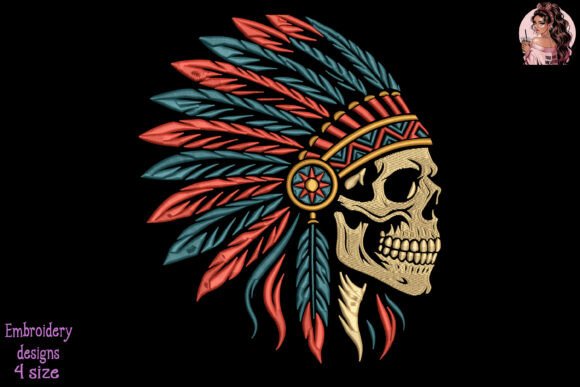
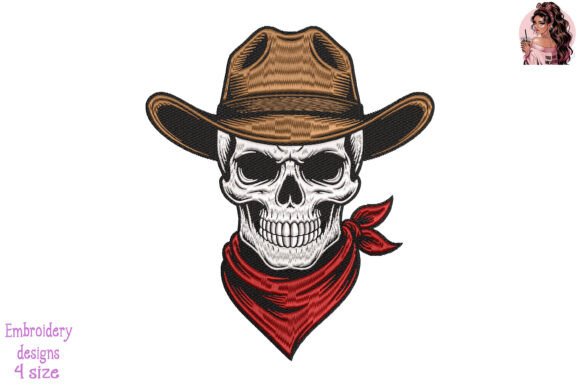
As an experienced embroidery designer who has spent years refining the art of machine stitching for commercial brands, I often evaluate digital assets before they hit the production floor. Today, I am reviewing the Vintage Cowboy Skull Embroidery design with a specific focus on its viability for small business merchandise and branded patch applications. This piece is described as a bold and rugged design that captures the spirit of the Wild West with a dark twist, featuring a weathered skull wearing a classic cowboy hat. While this aesthetic screams Halloween, its utility extends far beyond seasonal decorations when applied correctly to custom apparel and product labels.
First Impressions: A Bold Statement for Brand Identity
The moment you view the Vintage Cowboy Skull Embroidery, it projects a distinct personality. It is not merely decorative; it feels authentic, rustic, and premium. For a small business owner looking to elevate their brand identity, this design offers a unique visual hook. It strikes a balance between playful and edgy, making it suitable for creative studios, boutique shops, pet brands, or local bakeries that want to stand out from generic competitors.
The description highlights a "dark twist" on a classic Western motif. In the world of brand identity, this translates to memorability. Customers remember what is different. When used on a tote bag design or a staff uniform, this design signals confidence and a willingness to embrace a niche aesthetic. It suggests a handmade product quality rather than mass-produced fluff. However, the rugged nature of the design requires careful placement to ensure it maintains professionalism rather than veering into costume territory.
Real-World Applications for Small Business Merch
I have tested similar designs across various mediums, and Vintage Cowboy Skull Embroidery shows immense potential in several key areas for entrepreneurs and Etsy sellers. Here is how this design performs in real business scenarios:
- Embroidered Patches: This is perhaps the strongest use case. The high contrast and bold lines make it ideal for a sew-on patch. Imagine a coffee shop adding these patches to denim jackets for baristas, or a florist attaching them to canvas aprons. The rugged texture adds value to the finished product, turning a simple garment into a collectible item.
- Caps and Headwear: Cap embroidery benefits from designs with clear outlines. The skull and hat motif works well on the front panel of trucker hats or structured baseball caps. It creates an instant focal point that draws the eye, perfect for event merch or promotional giveaways.
- Tote Bag Design: For crafters selling at markets, a tote bag featuring this design serves as a walking billboard. The design's size allows it to be placed centrally without overwhelming the fabric, reinforcing the handmade product vibe while remaining durable enough for daily use.
- Apron Embroidery: Work shirts and aprons are prime canvases for branding. Placing this design on the chest pocket of a work shirt or centered on a bakery apron can add a touch of character to employee uniforms, fostering team pride and customer recognition.
- Product Packaging Accents: Beyond clothing, this design can be embroidered onto fabric tags attached to product packaging. A leather tag with a stitched skull logo on a candle box or a soap package elevates the perceived value of the item significantly.
Navigating Technical Challenges and Limitations
While the aesthetic appeal is undeniable, a professional must consider the technical constraints of machine embroidery design. Not every surface is created equal. There are specific scenarios where Vintage Cowboy Skull Embroidery requires caution to avoid a poor finish.
- Small Patch Sizes: If you plan to scale this down to a tiny badge size, the details may get lost. Intricate outlines and textured shading might merge together, creating a muddy look. Always test the design at your intended final size before committing to a bulk order.
- Curved Surfaces: Embroidering on cap fronts or curved items presents challenges. The hoop tension must be perfect to prevent puckering. If the design is too dense, the fabric may pucker around the curves, distorting the image of the skull.
- Dark Uniforms and Fabric Texture: Dark fabrics require a strong underlay and potentially a contrasting thread color to ensure visibility. On textured fabrics like heavy canvas or fleece, the needle penetration can be difficult, leading to skipped stitches if the stabilizer is not adequate.
- High Stitch Density: Designs with heavy fill areas can become stiff. If you are embroidering on lightweight materials, the stiffness might affect the drape of the garment. Conversely, on heavy denim, it provides a nice structure. You must match the design density to the fabric weight.
Impact on Customer Trust and Product Value
Quality matters. A well-executed commercial embroidery project builds trust. When a customer sees a crisp, clean embroidered patch with vibrant thread colors, they perceive the entire brand as higher quality. Vintage Cowboy Skull Embroidery, when done right, signals attention to detail. It tells the buyer that the business cares about the tactile experience of their goods.
Conversely, a poorly digitized version can damage reputation. Skipped stitches, loose threads, or incorrect stitch density can make a brand look amateurish. Therefore, ensuring the digital embroidery file is optimized for the specific fabric is crucial. The design should enhance the finished product, not detract from it. By using this design strategically, businesses can create a cohesive visual language that resonates with their target audience.
Essential Designer Notes for Production
Before you run a single stitch, there are practical steps every designer and business owner must take to ensure success. These guidelines will help you maximize the potential of this asset:
- Test in Black and White: Convert the design to grayscale first. This helps you visualize the contrast and density without the distraction of color. Ensure the dark elements stand out against the light and vice versa.
- Review Thread Color Contrast: Choose threads that complement the "rugged" feel. Metallic or variegated threads might clash with the vintage aesthetic, so stick to matte cotton or polyester blends that mimic the weathered look described in the product title.
- Inspect Spacing and Hoop Size: Confirm the hoop size required for the design. If the design is large, ensure your equipment can handle it without re-hooping, which can lead to misalignment. Check the spacing between elements to ensure nothing gets cut off during trimming.
- Use Proper Stabilizer: The choice of stabilizer is critical. For a heavy design like a skull, a cut-away stabilizer is usually best to maintain shape over time, especially for items that will be washed frequently.
- Create a Printable Mockup: Before producing physical samples, create a printable mockup for client approval. This allows stakeholders to see how the design looks on the actual product (e.g., a tote bag or cap) without wasting materials.
- Verify Commercial Licensing: Most importantly, confirm commercial licensing terms. Just because you bought the file does not always mean you can sell the finished goods. Ensure you have the rights to use Vintage Cowboy Skull Embroidery for merchandise sales.
Finally, do not rely on assumptions regarding technical specifications. If the exact stitch count, file format, or recommended hoop size is not clearly documented in the product description, you must contact the provider or test the file extensively yourself. Missing these details can lead to costly production errors.
In conclusion, Vintage Cowboy Skull Embroidery is a powerful tool for small business owners seeking to add character and depth to their merchandise. Whether you are decorating staff uniforms, creating limited edition patches, or enhancing product packaging, this design offers a unique blend of Western charm and modern edge. By approaching it with professional diligence—testing on real fabric, optimizing stabilizers, and respecting the technical limits of the medium—you can transform a simple digital file into a high-value asset that drives engagement and strengthens your brand.